Margery Lorene Addison was born in 1899 on the farm that her father had homesteaded, near Opportunity, Nebraska. Her belief in education started young: when she was 4 years old, she tagged along with her older sisters Kiva and Lemo to the little one-room schoolhouse that the country kids attended. The teacher let her take her afternoon nap on a bench in the back of the classroom.
The family moved to “town” – the village of Page, Nebraska – in 1906, where her father ran a livery and Margie attended school through 8th grade. When the family moved back to the farm in 1914, Margie wanted to attend high school in the nearby town of O’Neill – the little country school in Page only went through 8th grade. A neighbor lady offered to let her live with her, but her father wouldn’t hear of it – the neighbor lady was a nosy, busybody do-gooder and, anyway, Margie was needed on the farm. That settled it. That fall found her working in the fields alongside her father and her brothers. When the next fall rolled around, though, without asking anyone, Margie saddled up her pony and headed back to the little country school to take 8th grade again. To the end of her life, she delighted in telling how she could “spell down” and “cipher down” everyone in the school, including the teacher.
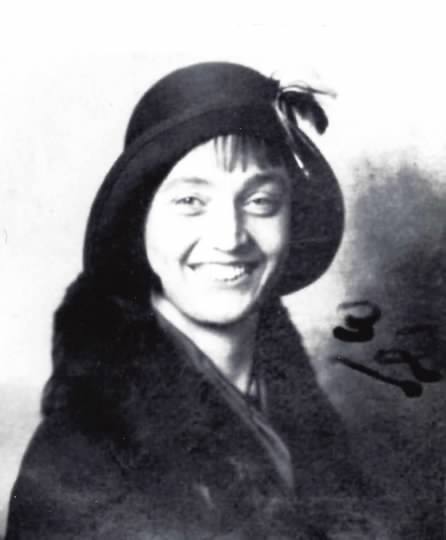
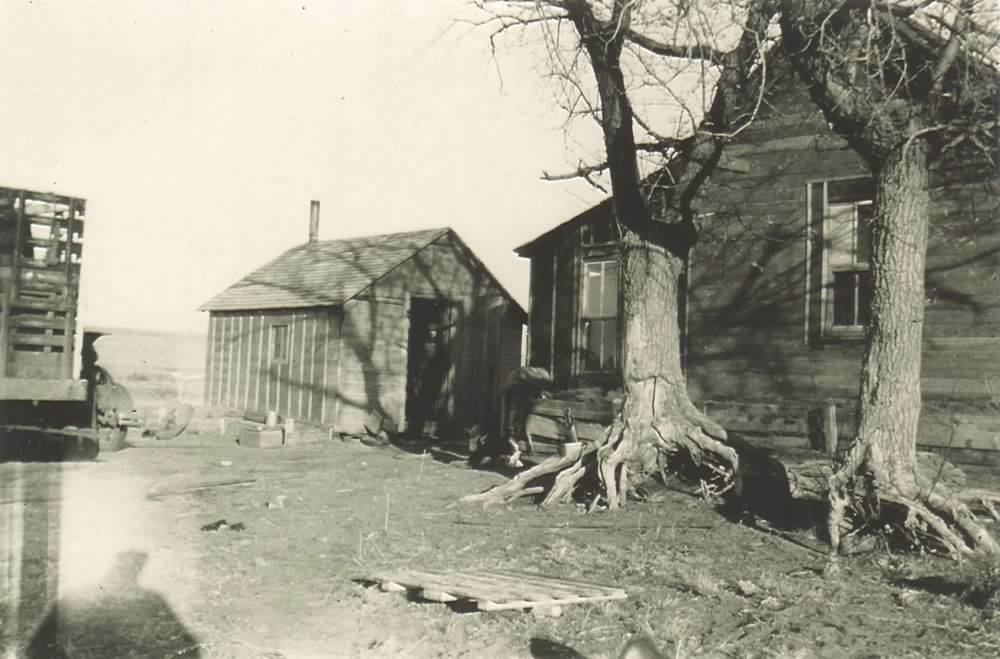
In 1921, Margery’s mother died and, at age 21, she became the de facto mother to her six younger siblings, as well as cook and laundress for a family of eight. This left Margery little time to socialize, even if she had been so inclined (she was terminally shy!), but somehow she struck up a relationship with a young man from a neighboring farm, and in 1929 she married Leo Orr.
Shortly after their marriage, Leo and Margery moved to Terraville, South Dakota. Although it was the beginning of the Great Depression, there were jobs in the Homestake gold mine in nearby Lead. Leo managed to get a job with Homestake, working 6 days a week, for $6 a day. In 1942, the mine closed down for the duration of World War II, and Leo and Margery moved to Idaho, where Leo worked in the silver mines. Then in 1944, disaster struck – Leo was killed in a hunting accident, leaving Margery a single parent caring for six children ranging in age from 2-14.
Margery moved her family back to Lead. With an 8th grade education and no work experience other than the farm, Margery was ill-prepared to support a family. Undeterred, she found a job she knew how to do – cook and dishwasher in the high school lunchroom. In the summers, when school was out, she worked at various jobs around town, including cleaning rooms at the Spearfish Canyon Lodge. When a custodian job opened up at the elementary school, she left the lunchroom and, for 20 years, kept the halls and classrooms at the Central School shining clean. Margery continued with that physically demanding job until she was 75, when the school system decreed that she must retire.
Throughout those years, she was an ever-present parent, making sure that her children were clean and well-dressed, worked hard at school, and stayed out of trouble. She insisted that they work when they could, doing everything from delivering newspapers to driving grocery trucks. Several even followed in their father’s footsteps and worked in the mine to earn money for college. And her patient, insistent efforts – and evident love of education – paid off: all of her children attended college, with four earning bachelor’s degrees, one a master’s degree, and one a PhD.
Margery lived out her remaining years in a house her children and brother built for her in Lead and in seniors’ residences in Rapid City and Sturgis, where she could be close to several of her children and her beloved grandchildren. She died in 1997, at the age of 97. Having supported herself the entire time since Leo died on her meager wages and a small Social Security check, she nevertheless had saved a substantial sum of money over the years, which she left to her children. They used that money to establish the Margery L. Orr Memorial Scholarship Fund in her memory and in honor of the virtues of hard work, thrift, and strong belief in the power of education that she had espoused and exemplified over her long life.
 Margery L. Orr Memorial Scholarship Fund